2020 Oldenburg Contest third place recipient
Published in fishladder 2021
Content warning: death, grief
Guinea pigs are highly social animals. Free-range guinea pigs typically live among several dozen others. Similarly, domestic guinea pigs do not enjoy living by themselves. They seek physical contact with their fellow pigs, and often sleep pressed up against each other, always striving to be as close as possible. Guinea pigs eat together, drink together, and constantly avoid being alone.
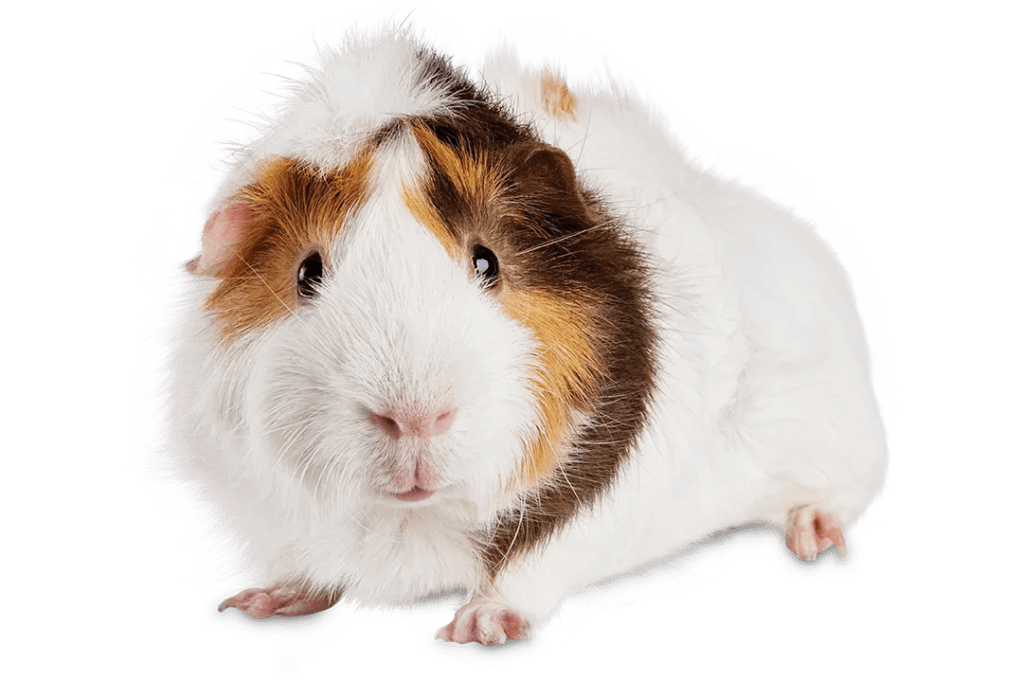
None of the Petsmart employees told us any of this when they shoved Reeses the guinea pig into a cardboard box and sent us on our merry way. It never crossed my mind that Reeses might get lonely. Why would she? She had me, afterall.
My sister and I had had a combined total of four hamsters before my dad bought me Reeses. There was Marble Cake, Snickers, Cupcake, and Nibbles — each unique in its own, tiny way. But I was ten now. It was time for an upgrade.
I loved Reeses the guinea pig very much, but I didn’t do a lot of research about her species before we adopted her. The Humane Society dictates that guinea pigs should not live alone. Social isolation can be detrimental to their physical and mental health. Regardless, Reeses lived by herself in her rectangular cage that sat on my bookshelf, and as far as I was concerned, she was pretty content. Guinea pigs tend to be incredibly vocal animals, and Reeses always had a lot to say. She spent most of her days squeaking in her cage while covering the soft bedding floor with a million tiny poops.
Every guinea pig cage should be cleaned a minimum of once a week. Guinea pigs create a lot of waste, but they are naturally tidy creatures that will get irritated and anxious if forced to live in an excessively messy environment. Saturday was always chore day at our house. Every week, I was expected to pick up the living room, clean the bathroom, and clean out the guinea pig’s cage.
It was just another winter Saturday, and I was in the garage with all of my cage cleaning supplies. I had a wire pen that I set up around a pile of newspapers on the cold garage floor. This is where Reeses was to hang out while I was to empty the filthy bedding into the trash, scrub down the plastic base of the cage with a sponge, and refill the cage with fresh new bedding so it was ready to be dirtied all over again. It seems like a rather simple, straight-forward task. Yet it typically took me three hours to make any progress, as I liked to spend most of my Saturdays getting distracted by things I would find in the garage and daydreaming about what my life would be like when I finally grew up.
I would walk around the garage and sing to myself for hours. I often would make up songs or pretend I was staring in my very own musical. I would daydream about being an author or a singer or having my own TV show. I saw myself as a celebrity, a comedian, a writer, and a hero to animals everywhere. I would tell Reeses all about the fact that there are parts of the world where they actually eat guinea pigs, and I would imagine the day that I would fly down to Peru where they sell live guinea pigs on the street to be killed and eaten. I planned to one day buy every last guinea pig, bring them all back to the US, and raise them as pets on my very own guinea pig farm.
I would dawdle and daydream until the sun had begun to set. Reeses would still be sitting in her enclosed wire pen, and her cage was no cleaner than it had been three hours ago. It was then that my dad would call my name from the kitchen in that familiar short, breathy manner, and my stomach would fall to the ground as it always did when I knew something bad was about to happen.
My dad had never been an angry man. I don’t remember him ever yelling at me or my sister when we were very little. If we were ever in trouble, it was my mom who would get impatient and raise her voice. Dad was always our safe haven, and he was the one I would run to when I didn’t want to be scolded. As I got older and life got messier, that all started to change.
Dad would call my name once more, this time louder and with more force. I would start to hear him come down the stairs, his footsteps louder and faster than they usually were. I’d look to Reeses the guinea pig in a panic, but she offered me no reassurance. Her beady black eyes always seemed to be filled with as much anxiety as my own.
I opened the door of the garage and there he was, staring me down. His hair was much frizzier than it had been a few years ago, and his eyes were quite a bit wider. The dark bags under his eyes were far more pronounced, and his cheeks were sunken in an unfamiliar way. There was a little vein next to his eye that became even more noticeable when he was angry, and his eyebrows would furrow in such a dramatic way that he looked like a cartoon character.
He yelled my name once more and would then begin to scold me — it was the same every time. His voice would grow louder and louder as he asked me why it was already 6:30 p.m. and I hadn’t scrubbed the bathtub, cleaned the toilet, or vacuumed the living room. He would ask me how I could do this to him and how I could be so irresponsible, but he would never give me a moment to answer. He’d ask why it was taking so long for me to clean the guinea pig’s cage and why I thought it was ok for our whole family to live in a pigsty. He would remind me that he is not my housekeeper, and he’d tell me that I was ungrateful for everything he did for us, and my actions showed a lack of respect that he just couldn’t understand. As his voice grew louder, so would Reeses’ anxious squeaks coming from the garage.
Every angry scolding ended the same way. I would be barely breathing amidst my distressed sobs, and even if he paused between sentences, I was never able to utter any sort of defense or argument. Sometimes I would manage to mumble a pitiful “I’m sorry”, but it never seemed to make any difference. Dad would always end each fit by hanging his head or putting his hands over his face and saying the same, pain stricken sentence: “I can’t do this on my own, ok? I can’t do this on my own.”
Human beings are highly social animals. Studies show that social isolation and loneliness can lead to disease, life-long depression, and a shortened lifespan. A lack of social interaction can make an individual more passive, lethargic, emotionally numb, and unwilling to control their impulses. Loneliness is painful, and all humans are dependent on social connections, loyal partnerships, and strong relationships.
Mom died when I was nine. She and my dad were married for ten years, and they were very happy together. They would make each other laugh at the dinner table and tell jokes I never understood. They would dance in the living room to one of my mom’s favorite Norah Jones CDs. They would drop us off at Grandma’s house for one weekend every month so they could spend time together exploring Chicago or downtown Detroit.
It had been a lifelong dream of Dad’s to get married and start a family, yet it took him 40 years to finally find his soulmate. He met her at a community service center in Ann Arbor, and he’s always said that he loved how intelligent, artsy, and creative she was. She showed up wearing homemade earrings, a colorful scarf, and lime green polka dot shoes, and it was hard for her to go unnoticed.
On their first date, they had a picnic at a local park by the river. It was a beautiful autumn evening, and they talked and laughed for hours until the sun set. Before they knew it, it was after 10 p.m, and it was time to go home.
When they returned to the parking lot, they realized the gate had been closed and locked, blocking their only exit. The park apparently closed right at 10, and they were forced to spend the night in my dad’s Oldsmobile Ciera and wait until the gates reopened in the morning. Mom laid down in the back of the car while Dad tried to get comfortable in the driver’s seat, and they both attempted to sleep. Reportedly, it was an awkward, restless night.
But from then on, my dad adored her. He would always tell me that marriage doesn’t mean you get to split life 50/50. Many people assume getting married means you will share everything you own and all of your responsibilities evenly with your spouse and life will be completely fair. It’s this mindset, he says, that leads to so many failed marriages and lives of unhappiness. Marriage requires both partners to give 100%, and that’s what he gave her — everything he had and everything he was.
Dad often tells a story of a typical Sunday evening when all four of us were finishing up one of his nutritious tofu-based meals. He had cooked dinner, so Mom was going to clear off the table and load the dishwasher. That was the arrangement they had. But 60 Minutes was on, and he knew that was Mom’s favorite. So, despite their fair and organized system, my dad insisted on cleaning up for her. He still can describe the delighted surprise on her face as she left the kitchen and got settled on the couch in the living room with me and my sister. My dad brought us each a bowl of leftover peach cobbler and we glued our eyes to the TV screen. He returned to the kitchen by himself to start rinsing dishes, whistling contentedly.
It is normal to feel entitled to a life that’s fair. After my mom died, my dad started to get uncomfortable in church. It was hard for him to see family after family that consisted of two happy parents and two smiling children. It’s difficult to process hardship when it seems that very few of the people around you are suffering at all.
When Reeses the guinea pig passed away, I cried for hours. I would lie awake in my bed late at night, staring at the empty bookshelf across the room. I had gotten used to her shrieking squeals, and it was hard to sleep without them. My room felt empty and lonely.
It wasn’t fair for little Reeses to be shoved into a cage by herself for her whole life when social isolation is against her nature. It didn’t seem fair to me to have a pet squeaking and scratching one day and silent and motionless the next. It wasn’t fair for me or my sister to lose our mother at the ages of nine and seven. It didn’t seem fair for Dad to spend a lifetime searching for the love of his life, finally find her after decades of looking, and then to have her taken from him suddenly and unexpectedly. It didn’t seem fair for him to then have to raise two girls by himself or for him to spend every Mother’s Day visiting her grave. It didn’t seem fair for him to finally finish raising both of his girls only to send them off to college and return to an empty house.
If you keep your guinea pig in a cage alone, it is likely to become fearful, skittish, and depressed. A lonely guinea pig will cry out for attention by squealing, rattling water bottles, or chewing on the bars of the cage. Typically, guinea pigs keep each other active by chasing one another and playing together. Without a friend motivating it to move, a guinea pig that lives alone could develop an unhealthy sedentary lifestyle. There are many physical and mental dangers of allowing your guinea pig to live alone.
Within a few years of my mom’s passing, my dad started making changes. He began to prioritize his health more than he ever had before, claiming he wanted to make sure he was around for us as long as possible. He adopted Tony the poodle, who has since become his very best friend. Every morning, he and Tony meditate together. They spend time in contemplative reflection and then do their morning stretches on Dad’s plush green yoga mat. Dad then whips up a quick spinach omelette complete with vegetarian veggie sausage and reads some scripture before he waves goodbye to Tony and heads off to work. He doesn’t yell anymore.
There are many differences between humans and guinea pigs. Reeses was alone because I didn’t provide her with a companion. She was entirely dependent on me to take care of her, and if I didn’t provide her with the things she needed to be happy, she simply was not going to be happy. Guinea pigs have no control over their reactions or their perspective. However, humans are able to, with time and practice, change the way they view their own life. Loneliness and grief are both battles we can fight against and, while we may not be able to win the war completely, we can actively work to minimize the pain.
Now I have nothing but gratitude for my dad, and I know he has raised us to the very best of his abilities. I still worry about him being alone, even though he constantly assures me that he’s doing alright. I aim to express my appreciation for all he’s done and all he’s endured whenever I can.
This past November was my dad’s 62nd birthday. It was on a Sunday, and my sister and I were both still at college. He had assured us that he would never ask us to drive all the way down to see him just because it was his birthday. We would just plan to celebrate later in the month when we would come home for Thanksgiving.
Last minute, my sister suggested that we surprise him on his actual birthday. We knew how much he would love to spend the day with us, so I planned to leave my apartment at 5:00 a.m. to make the two and a half hour drive back home. I picked up my sister along the way and we arrived just in time to join Dad for church.
When we knocked on his door at around 8:00 a.m, he came down the stairs still wearing his navy blue pajama pants and reading glasses. He opened the door with confusion in his eyes, and then the biggest smile I’ve ever seen spread across his face as we stepped into the hallway and said “surprise!”.
As we followed him upstairs and said hello to Tony, Dad was giggling and excitedly talking a mile a minute, repeating the same phrases over and over: “I can’t believe this! Wow, this is so great! Wow, amazing! It’s so good to see you! I can’t believe it!”
The three of us went to church, got brunch, took Tony for a walk through the neighborhood, had some carrot cake (Dad’s favorite), and we gave Dad some presents to open. I’ve never seen him smile that much. As we got ready to drive back to school that afternoon, Dad was sure to remind us that we mean everything to him. He said my sister and I are the very best parts of his life and his greatest blessings. He didn’t know where he would be without us.
Though Dad has put so much energy and focus into being grateful for what he has and managing his anxieties, the grief he’s experienced has not been extinguished. He still cries on Mom’s birthday. He still brings flowers to her grave on the anniversary of her death. He sometimes still gets frustrated when the house is a mess and still worries profusely about things that are out of his control. He has done his very best, but life has not been fair to him.
My dad is no guinea pig. As heartlessly unfair as it was for his wife to be taken from him, he has not lived his life alone in a cage. At least he has us.
When I left for college, Dad finally threw out Reeses’ old cage. He got rid of the extra bags of guinea pig bedding, her plastic toys, and her dusty old water bottle. And life has gone on.
“Behavior Essentials: The Guinea Pig.” LafeberVet, 3 May 2018,
lafeber.com/vet/behavior-basics-guinea-pig/.
Bevinn, Sarah J. Psychology of Loneliness. Nova Science Publishers, 2011.
“Guinea Pig Housing.” The Humane Society of the United States,
www.humanesociety.org/resources/guinea-pig-housing.
Kazmeyer, Milton. “What Happens When a Guinea Pig Is Alone Too Long?” Animals.mom.com,
11 Aug. 2017, animals.mom.me/happens-guinea-pig-alone-long-10619.html.
 Leah Erben